California’s updated Title 24 energy code took effect January 1st. For new high-rise multifamily construction, both solar PV and battery storage are now required, with no compliance workaround. For low-rise multifamily, the solar requirement remains, but adding battery storage can now reduce the minimum solar system size by 25%.
If you saw this news as the latest challenge in an already difficult year, you’re not alone. The updated regulations arrive in the midst of a challenging operating environment for California multifamily owners: rents grew just 0.1% nationally in March (the weakest March since 2012), construction debt is priced between 8% and 13%, and the legislative environment continues to push operators to absorb more of the state’s housing affordability burden. Another capital requirement is the last thing anyone wanted.
But there’s anotherway to view this: California is pushing multifamily owners to monetize assets they’ve always owned and never charged for.
The Energy Estate
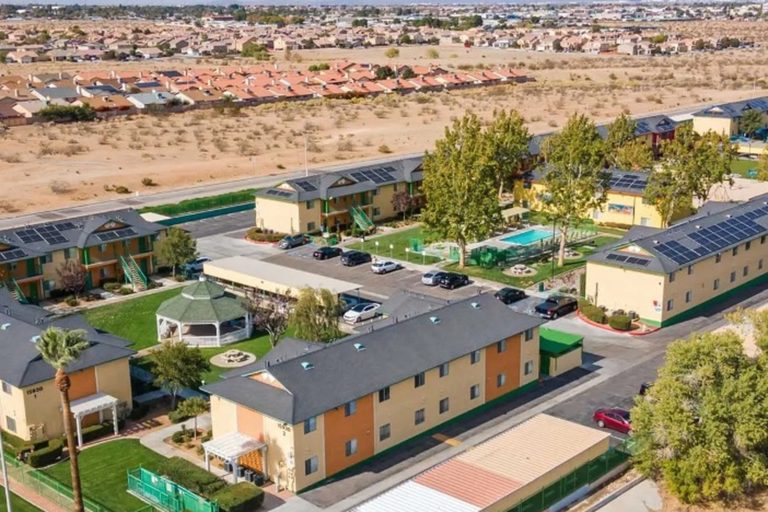
Every multifamily property has an energy estate: the productive capacity sitting in its untapped physical infrastructure. Rooftops. Carports. Square footage suitable for battery storage. These assets have always been hiding in plain sight. Until now, they’ve generated nothing.
The solar and storage requirement changes that equation. The question is no longer whether owners invest in energy infrastructure. The question is how to capitalize it.
Owners who take on the CapEx themselves generally choose one of two options:
- Meet the minimum Title 24 requirements with a small system for common area loads. It satisfies the code, but delivers no resident benefit, no new income, and full ongoing responsibility for maintenance, servicing, and system performance.
- Build a larger system and hire a billing provider to capture the resident energy opportunity directly. The appeal is understandable, but the execution is harder than it looks: CapEx gets added to the loan in a high-rate environment, the billing operation requires active management and vendor oversight, and system performance issues become the owner’s problem to monitor and resolve. It’s a significant operational lift with uncertain returns.
The alternative is to treat rooftops, carports, and storage spaces as leasable infrastructure. As a partner dedicated to unlocking the Energy Estate, PearlX leases that space, deploys and operates solar, storage, EV charging, and smart energy systems at no cost to the property, and pays a monthly lease in return. This converts the owner’s compliance obligation into a new income stream. Renters also benefit with increased amenities and significantly lower energy bills at a moment when California electricity has surpassed 36 cents per kilowatt-hour (71% above the national average) with another 15–25% increase projected before year-end.
The Opportunity
California’s 44% renter population has no direct access to rooftop solar. For multifamily owners, that gap is an amenity advantage that’s waiting to be unlocked. Renters are paying some of the highest electricity rates in the country, with no ability to reduce them on their own. Energy savings are a differentiator for renters, and they can be delivered at no cost to the owner.
The mandate is real. The headwinds are real. But so is the opportunity for owners to satisfy mandates, add amenities, increase NOI, and do it all without incremental capital investment.
Want to see what your property’s energy estate could generate? Talk to a PearlX advisor